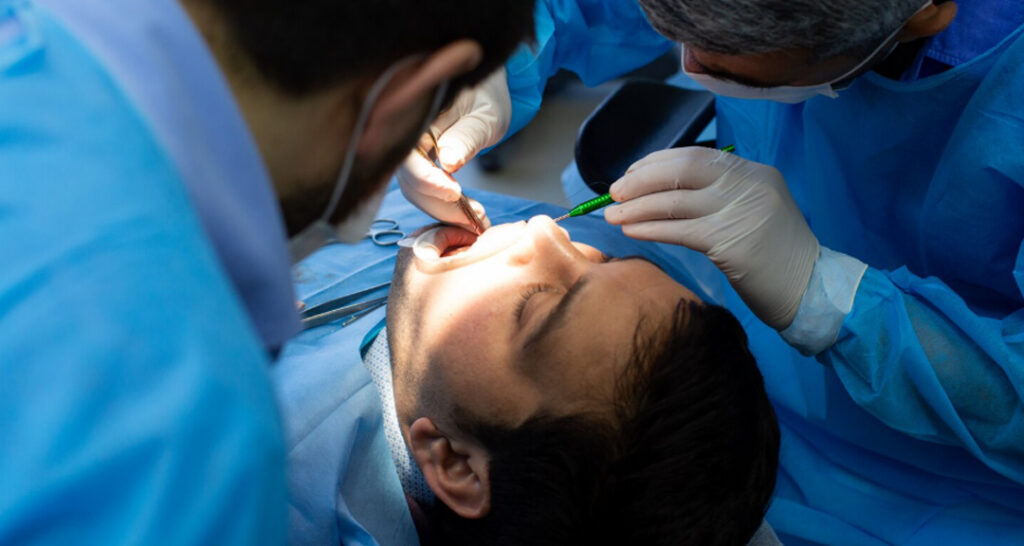
Needing a tooth extraction Ormeau patients can have done gently and close to home? At Ormeau City Dental Centre, we aim to keep your natural teeth wherever possible. Sometimes, though, a tooth is too damaged, decayed or crowded to save, and removing it is the best way to relieve pain and protect your oral health.
If you have severe toothache or jaw pain, or have been told you may need a tooth removed, it’s normal to feel anxious. Knowing what the procedure involves and how to care for your mouth afterwards can help.
This guide covers why extractions are needed, the difference between simple and surgical extractions, and how to recover well.
Why Are Extractions Necessary?
Our first goal is to save your natural teeth with fillings, crowns or root canal therapy. Sometimes, though, an extraction is the better option. Common reasons include:
- Severe Tooth Decay or Infection: When a cavity is left untreated, it can penetrate deep into the pulp (the center) of the tooth. If the infection is too extensive to be resolved by a root canal, we must remove the tooth to stop the infection from spreading to your jawbone and neighbouring teeth.
- Advanced Periodontal (Gum) Disease: Gum disease can damage the tissues and bone that hold your teeth firmly in place. If the supporting structure is significantly weakened, teeth can become loose and require removal.
- Impacted Wisdom Teeth: Wisdom teeth often don’t have room to come through properly and can cause pain, infection or damage to nearby teeth. See our wisdom teeth removal guide.
- Severe Dental Trauma: Accidents happen. If a tooth is fractured, cracked beneath the gum line, or severely broken due to physical trauma, keeping it may not be structurally viable.
- Orthodontic Preparation: Some patients with severe crowding need one or more teeth removed to make space before orthodontic treatment.
Simple vs. Surgical Extractions: What’s the Difference?
Dental extractions generally fall into two categories. The type of procedure you need depends on the tooth’s location, condition, and whether it has fully emerged through the gum line.
1. Simple Extractions
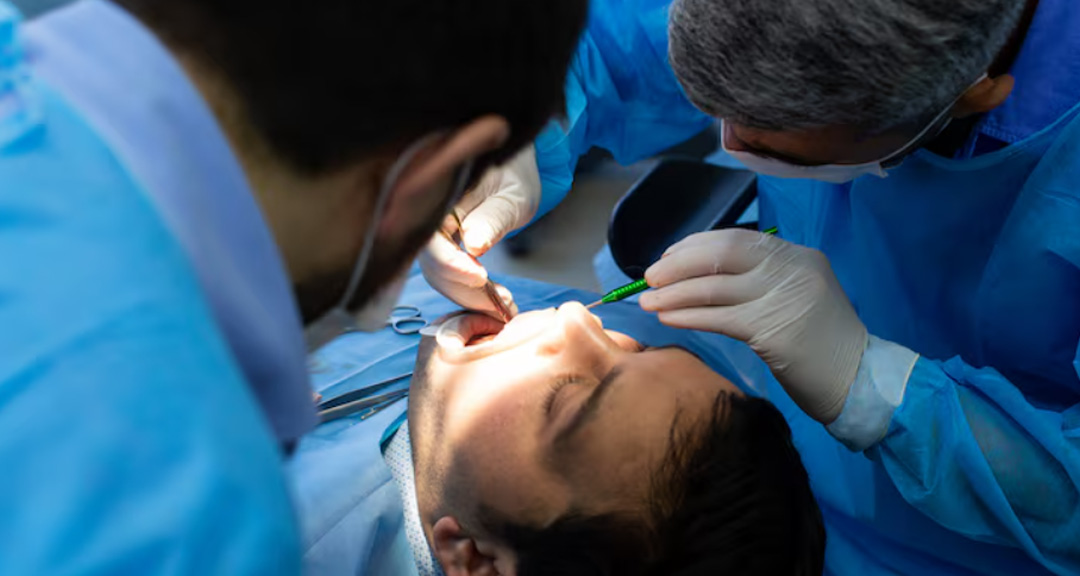
These are done on teeth that are fully visible in the mouth. After numbing the area, your dentist gently loosens the tooth with an instrument called an elevator and removes it with dental forceps.
2. Surgical Extractions
This procedure is required for teeth that are not easily accessible—either because they have broken off at the gum line or have not fully erupted (such as impacted wisdom teeth). A surgical extraction involves making a small incision in your gum to access the tooth. In some cases, the tooth may need to be divided into smaller pieces to ensure a smooth, safe removal.
Whichever type you need, your dentist uses digital X-rays to plan the extraction carefully. Healthdirect has more on what to expect.
Tooth Extraction Ormeau: Keeping You Comfortable
The thought of having a tooth removed can be daunting. Our clinic in Interciti Plaza on Zupp Drive, between McDonald’s and Hungry Jack’s off Eggersdorf Road, is designed to feel calm and welcoming.
Before we begin, we use a local anaesthetic to numb the tooth and surrounding area. You may feel some pressure, but you shouldn’t feel sharp pain. If you do, tell us and we’ll stop. For anxious patients, we take the time to listen, explain each step and go at your pace, and we also offer conscious IV sedation.
Step-by-Step Recovery: Post-Extraction Care Tips
How you care for your mouth after extractions plays a critical role in how quickly and smoothly you heal. The primary goal of post-operative care is to allow a protective blood clot to form in the empty tooth socket. This clot protects the exposed bone and nerves, allowing the gums to heal.
To help you heal well and avoid dry socket (when the blood clot breaks down early), follow these steps:
- Keep Pressure on the Gauze: Bite firmly on the gauze pad placed by your dentist for at least 30 to 45 minutes after the procedure to help stop the bleeding.
- Do Not Use Straws: The suction created by drinking through a straw can easily dislodge the healing blood clot. Avoid straws for at least 3 to 5 days.
- Avoid Spitting, Rinsing, or Touching: Avoid vigorous spitting or rinsing on the first day. Let saliva flow out of your mouth gently if needed. Refrain from touching the extraction site with your tongue or fingers.
- Stick to Soft Foods: For the first 24 to 48 hours, eat soft, nutritious foods like yoghurt, soup (cooled down), mashed potatoes, smoothies, and scrambled eggs. Avoid hot liquids, hard, crunchy, or spicy foods.
- Keep Your Mouth Clean: After 24 hours, you can gently rinse your mouth with warm salt water (half a teaspoon of salt in a glass of warm water) after meals to keep the area clean. Continue to brush and floss your other teeth, but be extremely careful around the extraction site.
- Rest Up: Avoid strenuous physical activity and heavy lifting for at least 24 hours after your extraction to keep your blood pressure stable and prevent bleeding.
Restoring Your Smile After an Extraction
Losing a tooth does not mean you have to live with a gap in your smile. Leaving a missing tooth untreated can cause your remaining teeth to shift out of alignment, leading to bite issues and jaw joint discomfort over time.
Once the area has healed, our dentists can talk you through tooth replacement options to suit your needs and budget, including:
- Dental Implants: a fixed, long-term option that replaces both the root and the crown of a tooth.
- Dental Bridges: a custom-made artificial tooth anchored to the healthy teeth on either side of the gap.
- Partial Dentures: a removable option designed to blend with your natural teeth.
Tooth Extraction FAQs
Does a tooth extraction hurt?
The area is numbed with local anaesthetic, so you may feel pressure but shouldn’t feel sharp pain. Some soreness afterwards is normal.
How long does it take to recover?
Most people feel better within a few days. Following the aftercare steps, such as avoiding straws and smoking, helps the socket heal.
What is dry socket?
Dry socket happens when the blood clot in the socket breaks down early, exposing the bone. It usually causes severe pain one to three days after the extraction. Call us if your pain gets worse rather than better.
What can replace an extracted tooth?
Options include dental implants, bridges and partial dentures. Your dentist will talk you through what suits you once the area has healed.
Can I pay for my extraction over time?
Yes. We offer interest-free payment plans through Afterpay, Zip and Humm, and on-the-spot health fund claims via HICAPS.
Why Choose Ormeau City Dental Centre?
We look after patients across Ormeau, Ormeau Hills, Yatala and the northern Gold Coast. If you live nearer Pimpama or Coomera, our group also has clinics in both suburbs. See our locations page.
- Flexible Payment Options: We accept all major credit cards and offer on-the-spot health fund claiming via HICAPS, plus interest-free payment plans through Afterpay, Zip and Humm.
- Accessible & Convenient: We offer free onsite parking and wheelchair accessibility.
- Gentle, Experienced Team: Led by Principal Dentist Dr Valda Jing, alongside Associate Dentists Dr Hannah Lee and Dr Kim Vo.
If you think you need an extraction or have a painful dental emergency, call (07) 5611 8688 or contact us to book. For urgent pain, see our emergency dentist guide.