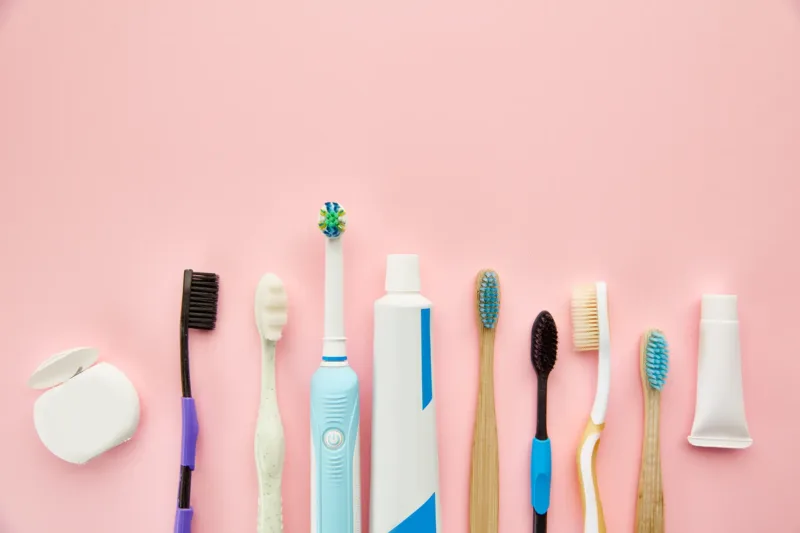
When it comes to maintaining a healthy smile, brushing your teeth properly is one of the most important habits you can build. But many patients ask the same question: are electric toothbrushes actually better than manual ones? The answer depends on your needs, habits, and technique. However, there are some clear advantages worth considering.
Electric toothbrushes are designed to make brushing easier and more effective. Most models use oscillating or vibrating bristle movements that can remove plaque more efficiently than manual brushing. Studies have shown that people using electric toothbrushes often achieve better plaque reduction and improved gum health over time. This is especially helpful for individuals who struggle with proper brushing technique, as the brush does most of the work for you.
Another key benefit of electric toothbrushes is consistency. Many come with built-in timers that ensure you brush for the recommended two minutes. Some even include quadrant timers, prompting you to spend equal time on each section of your mouth. This feature alone can significantly improve oral hygiene, as many people tend to rush when using a manual toothbrush.
Electric toothbrushes can also be a great option for people with limited mobility. Conditions such as arthritis, carpal tunnel syndrome, or other dexterity issues can make manual brushing difficult. The powered movement of an electric toothbrush reduces the need for precise hand motions, allowing for a more thorough clean with less effort.
That said, manual toothbrushes are far from ineffective. When used correctly with proper technique, duration, and consistency, a manual toothbrush can clean your teeth just as well. The key is brushing gently in small circular motions, covering all tooth surfaces, and not forgetting along the gumline. For individuals who are diligent and confident in their brushing habits, a manual toothbrush remains a perfectly valid choice.
Cost is another factor to consider. Manual toothbrushes are inexpensive and easy to replace, while electric toothbrushes require a higher upfront investment and ongoing replacement of brush heads. For some households, this can make manual brushes the more practical option.
It’s also important to remember that the type of toothbrush you use is only part of the equation. Brushing twice a day, flossing daily, and attending regular dental check-ups are all essential for maintaining oral health. No toothbrush, electric or manual, can compensate for inconsistent habits.
So, are electric toothbrushes better? For many people, yes, they offer convenience, improved plaque removal, and helpful features that encourage better brushing habits. However, a manual toothbrush can be just as effective when used properly. Ultimately, the best toothbrush is the one you’ll use correctly and consistently. If you’re unsure which option is right for you, our friendly team at Ormeau City Dental Centre can help guide you based on your individual needs and oral health goals.